

Made for More: The Role of Veterinary Technicians in Hospice and End-of-Life Care
Veterinary technicians play a vital role in pet hospice and end-of-life care, offering comfort, education, and compassion. Discover how techs are made for more.
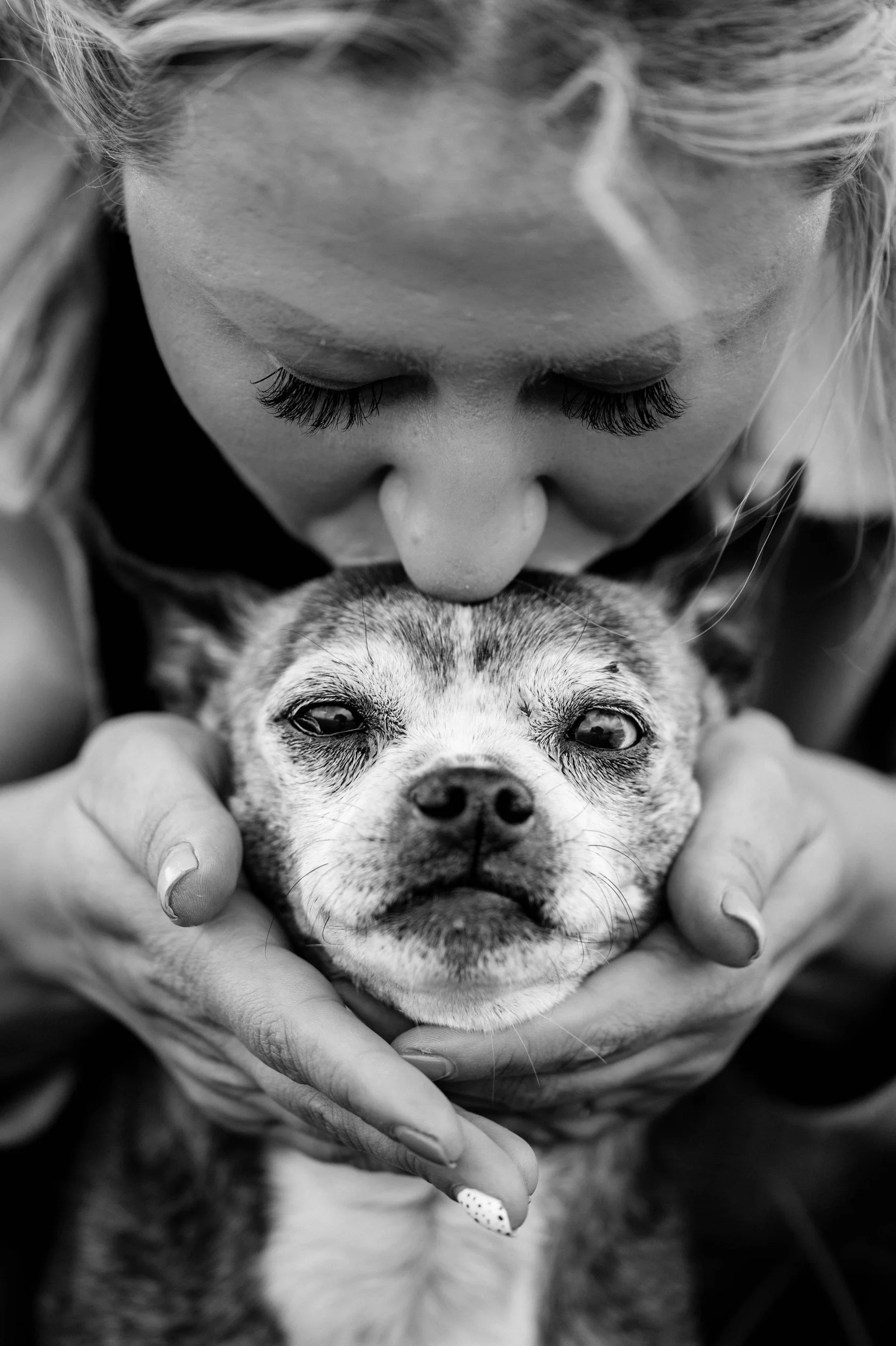
There’s a quiet moment that happens often during that final visit.
A family is sitting on the floor with their beloved pet.
Someone is crying softly.
The room is still.
And it isn’t the veterinarian they turn to first.
It’s the technician.
The one kneeling beside them.
The one holding the paw.
The one explaining gently.
Because veterinary technicians have always been the bridge between medicine and humanity.
And nowhere is that more evident than in hospice and end-of-life care.
The Skill, Heart, and Expertise Behind the Title
For a long time, the role of veterinary technicians has been misunderstood.
“Just a helper.”
“Just restraining.”
“Just running rooms.”
But anyone who’s worked in this field knows the truth.
Technicians are:
educators
advocates
observers
comfort-givers
translators
emotional anchors
And often, we’re the ones families remember most.
Especially at the end.
Why hospice fits veterinary technicians so naturally
There’s something about hospice that feels different.
Slower.
Softer.
More intentional.
And many technicians find themselves thinking:
This feels like what I was meant to do.
Because hospice care is built on the very skills techs use every day:
Observation Education Emotional presence
Techs notice the small things first. We’re the ones teaching: Techs sit longer.
The subtle limp. “How to give this medication.” Listen closer.
The change in breathing. “Here’s what to watch for.” Cry with families.
The “not quite themselves” behavior. “Call if you notice this.” We hold space.
Those details matter deeply in quality-of-life care. Hospice is largely education and guidance. And sometimes that matters more than any treatment
A calling, not just a job
Many veterinary technicians enter this field because they want to help animals. But over time, something deeper happens.
It becomes a calling. Not just medicine. Not just tasks. Not just the technical skills we develop or the knowledge we carry into each shift. It becomes about the relationships we build, the trust we earn, and the difference we make in moments that matter most.
Hospice and end-of-life care brings that purpose into sharp focus. We walk beside families as they navigate difficult decisions, uncertain days, and the heartbreak of saying goodbye. We help them understand what their pet is experiencing, recognize when comfort needs to take priority, and find meaningful ways to make the time they have left count.
These moments ask us to bring more than clinical knowledge to the table. They ask us to listen without rushing, to offer reassurance without having all the answers, and to sit with someone else's grief without feeling the need to fix it.
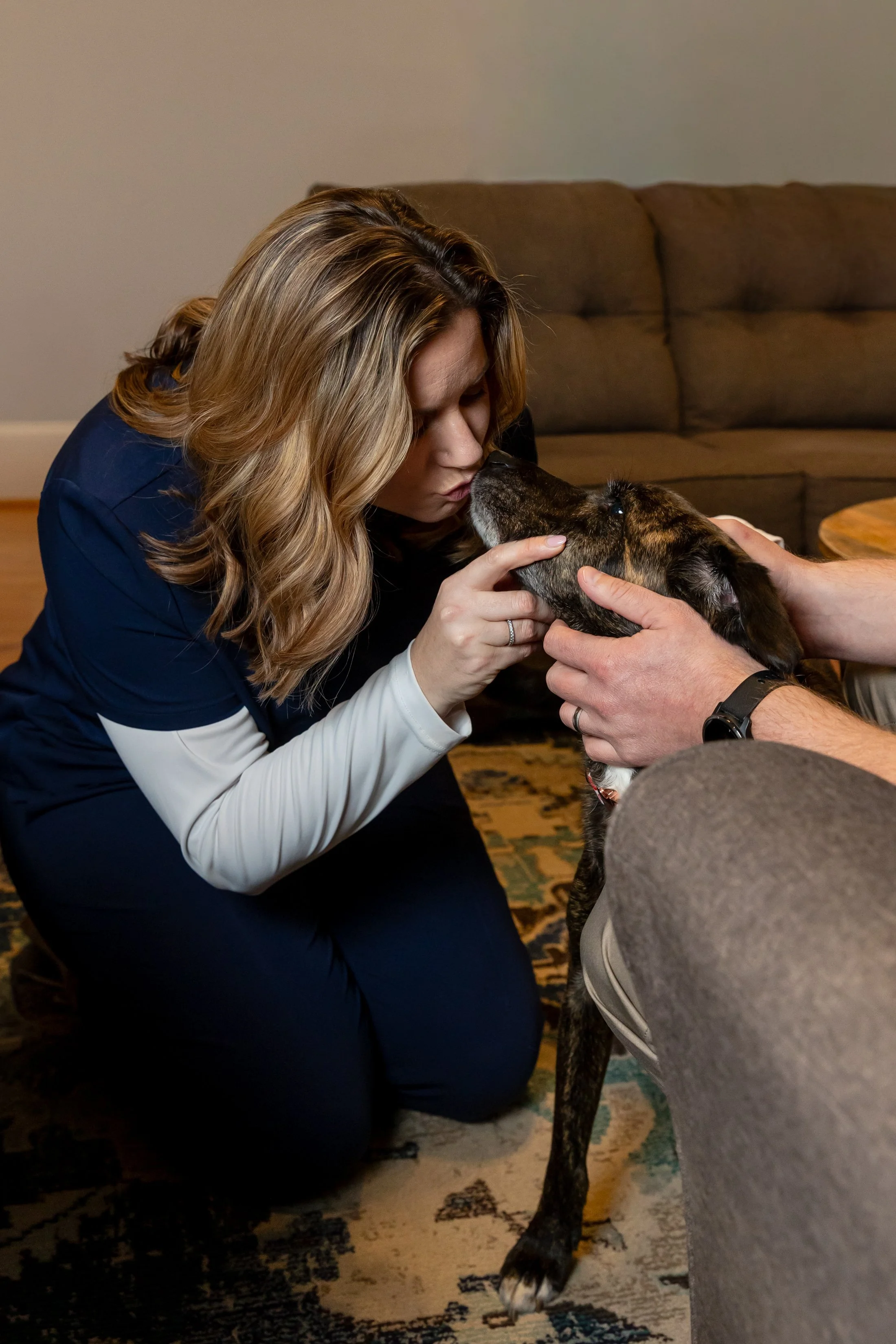
When I look at a photo like this one with Ruger, I'm reminded that the bond we share with animals is at the heart of why so many of us chose this profession in the first place. These relationships shape us, teach us, and remind us that the smallest moments of care can leave the biggest impressions.
For veterinary technicians, hospice and end-of-life care is an opportunity to live out that purpose in one of its most profound forms. We may not always be able to change the outcome, but we can change the experience. We can help a family feel less alone. We can protect a patient's comfort. We can make sure love remains at the center of care, even when goodbye is approaching.
That is the calling. To bring knowledge and compassion together, to honor the bond between people and their animals, and to show up when it matters most.
And veterinary technicians have always had both the skill and the heart to do exactly that.
Made for more
One thing I hear often from techs is:
“I love GP… but I feel like there has to be more I can do.”
And they’re right.
Even within general practice, technicians can:
lead quality-of-life conversations
educate families on comfort care
support hospice planning
advocate for pain management
guide families through difficult decisions
provide continuity after diagnosis
be the steady presence when emotions are high
You don’t have to leave general practice to make a bigger impact.
But you can expand your role.
Because technicians were never meant to simply execute tasks.
We’re meant to guide care.
To every veterinary technician reading this……
If you’ve ever:
Stayed late to comfort a family
Sat on the floor during a goodbye
Cried in your car after a shift
Felt honored to be present at the end
Please know this:
That isn’t “just part of the job.”
That’s sacred work.
And not everyone can do it.
But you can.
Because you were made for more.
