

Fireworks and Senior Pets: Helping Older Pets Feel Safe This Fourth of July
Learn how to keep senior and hospice pets calm, comfortable, and safe during Fourth of July fireworks with practical tips for reducing stress and anxiety.
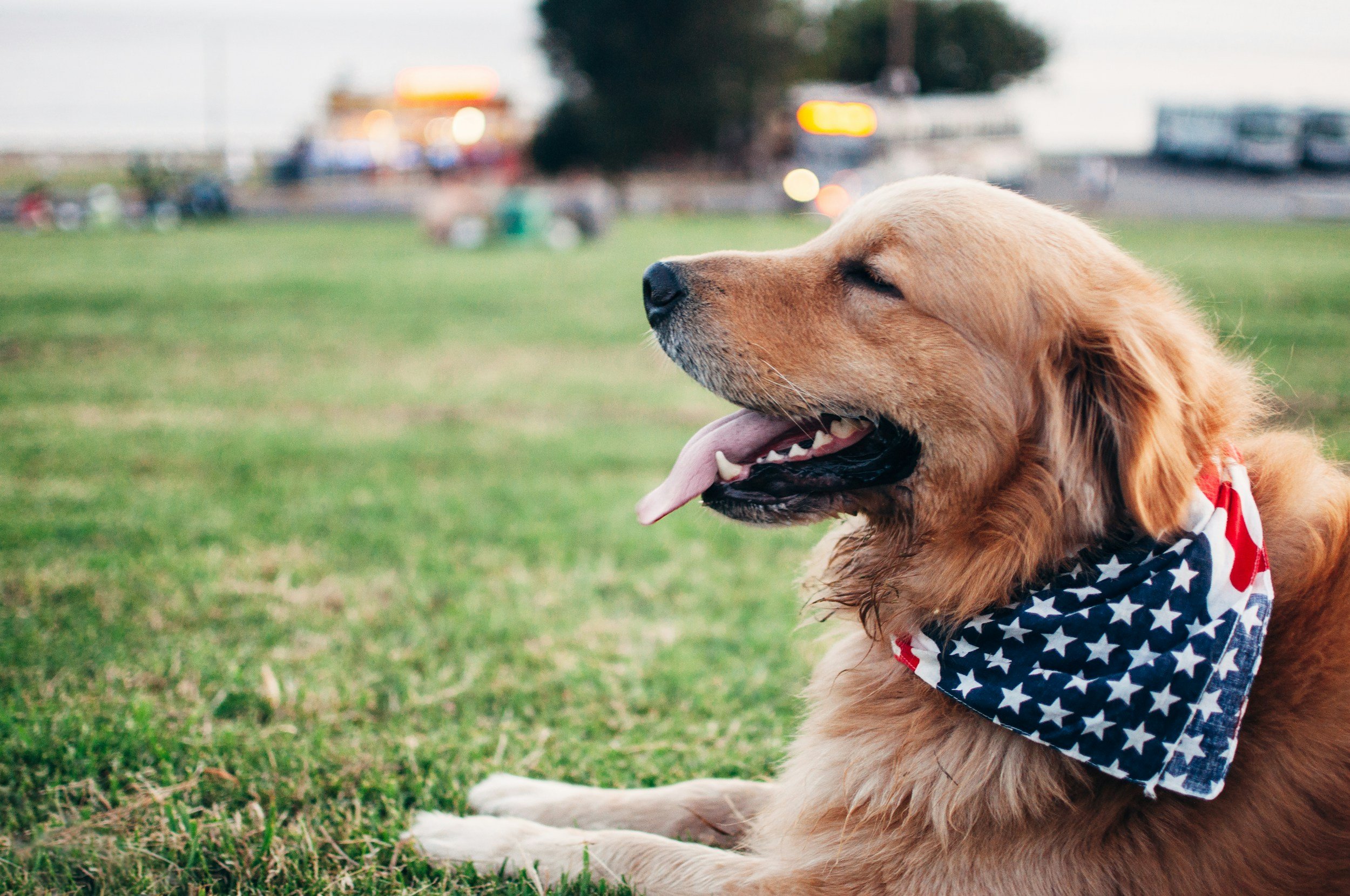
For many families, the Fourth of July means backyard cookouts, time with loved ones, and celebrating summer. For many pets, however, it can be one of the most stressful nights of the year.
While fireworks can be frightening for pets of any age, senior pets often face additional challenges that can make loud noises even more difficult to tolerate. Changes in hearing, vision, mobility, cognition, and overall health can leave older pets feeling confused, anxious, or overwhelmed when unexpected sounds fill the night.
The good news? A little preparation can go a long way in helping your pet feel safe and comfortable.

Why Senior Pets May Struggle More with Fireworks
As pets age, they often become more sensitive to changes in their environment.
Older pets may experience:
Cognitive dysfunction (similar to dementia)
Hearing loss or changes in sound perception
Vision impairment
Arthritis or mobility challenges
Chronic pain
Heart or respiratory disease
Increased anxiety
When fireworks begin unexpectedly, an aging pet may not understand what is happening or may have difficulty finding comfort on their own.
Some pets become restless and pace. Others hide, pant, tremble, vocalize, or seek constant reassurance.
For hospice pets especially, stress can be physically exhausting.
5 Helpful Tips This Fireworks Season:
1) Create a Safe Space Before the Fireworks Start
One of the best things you can do is prepare a quiet, comfortable space before evening arrives.
Consider:
Closing blinds and curtains
Turning on fans or white noise machines
Playing calming music or television
Providing favorite blankets and bedding
Staying in the room with your pet when possible
The goal is not to eliminate every sound, but to create an environment that feels familiar and secure.
2) Exercise Earlier in the Day
If your pet enjoys walks or outdoor time, plan activities during the morning or early evening before fireworks begin.
A relaxed pet is often better able to settle later in the evening.
Be mindful of heat and avoid overexertion, especially for senior pets with mobility issues or chronic illness.
3) Stick to Their Routine
Senior pets often thrive on predictability.
Try to keep feeding times, medication schedules, and bedtime routines as normal as possible.
Even small disruptions can increase anxiety for some aging pets.
4) Talk to Your Veterinarian Ahead of Time
If your pet has a history of severe noise anxiety, don't wait until the holiday arrives! Call ahead!
Your veterinarian may recommend medications, supplements, or calming strategies to help your pet feel more comfortable.
Planning ahead gives you more options and helps prevent a stressful last-minute situation.
5) Comfort Is Not Spoiling
Many pet parents worry that comforting a frightened pet somehow reinforces fear.
The truth is simple:
If your pet is scared, comfort them.
Sit beside them.
Offer gentle reassurance.
Let them stay close if that's what they need.
Your presence can be incredibly calming.
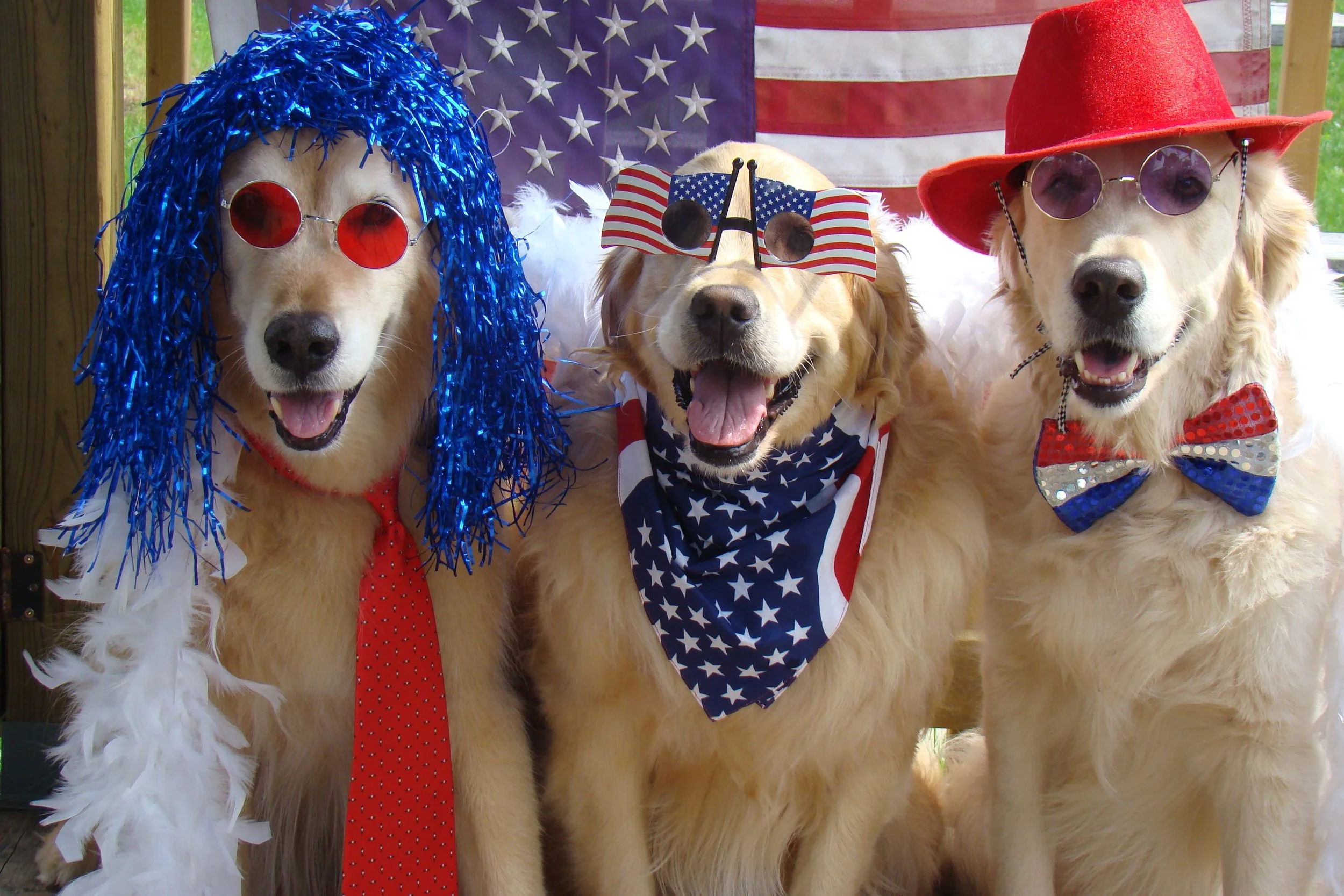
Celebrating Comfort
The Fourth of July doesn't have to be perfect to be meaningful.
For many senior pets, the best celebration is simply feeling safe, comfortable, and surrounded by the people they love most.
And honestly, that's worth celebrating too.
Happy 250th America!!
