

Traveling With Senior Pets This Summer
Comfort, Safety, and Making Memories Together
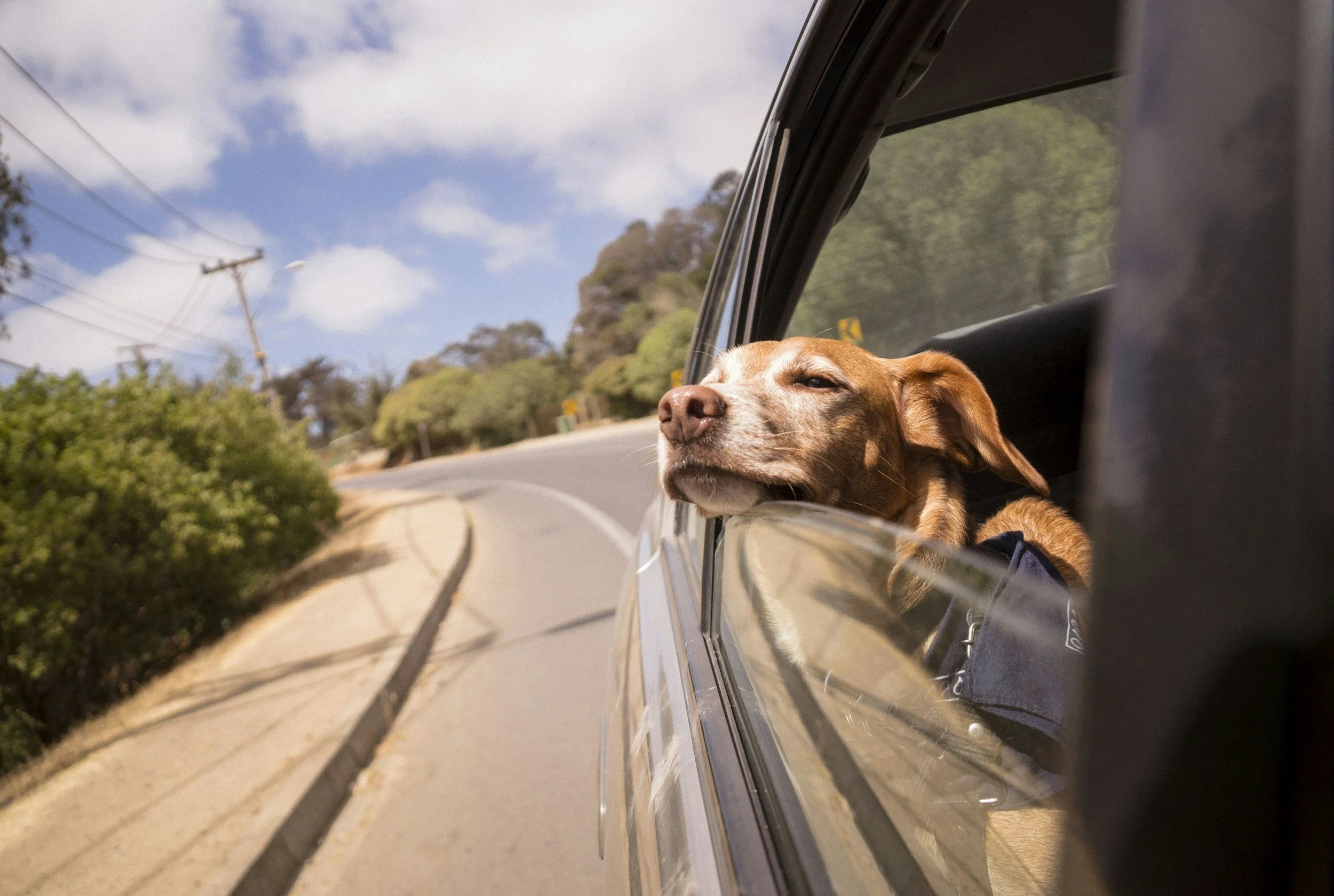
Summer often brings thoughts of vacations, family visits, weekend road trips, and outdoor adventures. For many pet families, there's one important question that comes with those plans:
“Can my senior pet come too?”
The answer is often yes—with a little extra preparation and a willingness to adjust expectations.
Traveling with a senior pet looks different than traveling with a young, energetic dog or cat (or bearded dragon!). Aging pets may tire more quickly, have mobility challenges, need medications, or struggle to regulate their body temperature. But that doesn't mean the adventures have to stop.
In fact, some of the most meaningful memories happen when we intentionally slow down and include our aging companions in ways that prioritize their comfort and well-being.
Whether you're planning a weekend getaway, a family reunion, or simply more outings together this summer, here are some ways to help your senior pet travel safely and comfortably.
Start With Your Pet's Comfort, Not Your Destination
When traveling with a senior or hospice pet, the first question shouldn't be:
"Can my pet make the trip?"
Instead ask:
"Will this experience improve their quality of life?"
Some pets absolutely thrive on new adventures and time with family. Others may feel stressed by unfamiliar environments, long car rides, or disrupted routines.
Consider:
How does your pet typically handle travel?
Do they become anxious in the car?
Are they comfortable around new people?
Can they physically tolerate the activity planned?
Will they have opportunities to rest?
There's no right or wrong answer. Every pet is different.
The goal is not to check off a bucket list.
The goal is to create meaningful moments that feel good for your pet.

Schedule a Wellness Check Before Traveling
Before a significant trip, consider checking in with your veterinarian.
This is especially important for pets with:
Heart disease
Cancer
Kidney disease
Arthritis
Cognitive dysfunction
Respiratory conditions
Mobility limitations
Your veterinarian can help determine whether travel is appropriate and discuss strategies to keep your pet comfortable throughout the journey.
If your pet is receiving hospice or palliative care, having a travel plan in place can help you feel more confident while away from home.
Keep Travel Days Short and Flexible
Long travel days can be exhausting for older pets.
Whenever possible:
Break longer drives into shorter segments
Schedule frequent rest stops
Allow extra time for bathroom breaks
Avoid rushing
Build flexibility into your plans
Remember that your senior pet may move more slowly than they once did.
That's okay.
The destination isn't nearly as important as the experience of getting there together.
Beat the Heat
Summer temperatures can be especially challenging for senior pets.
Older animals often have a harder time regulating body temperature due to:
Reduced circulation
Heart disease
Respiratory conditions
Decreased mobility
Age-related changes in metabolism
To help prevent overheating:
Travel During Cooler Hours
Plan walks and outdoor activities for:
Early morning
Late evening
Shaded areas
Avoid peak afternoon heat whenever possible.
Never Leave Pets in Vehicles
Even a few minutes can become dangerous.
Temperatures inside vehicles rise rapidly, even with windows cracked.
If your pet cannot accompany you inside a destination, it may be best to skip that stop altogether.
Pack Cooling Essentials
Helpful travel items include:
Cooling mats
Portable fans
Cooling bandanas
Collapsible water bowls
Battery-powered fans
Shade tents for outdoor events
These small tools can make a big difference in keeping your pet comfortable.
Consider Mobility Support
Many senior pets still love outings—they just need a little assistance.
Helpful options include:
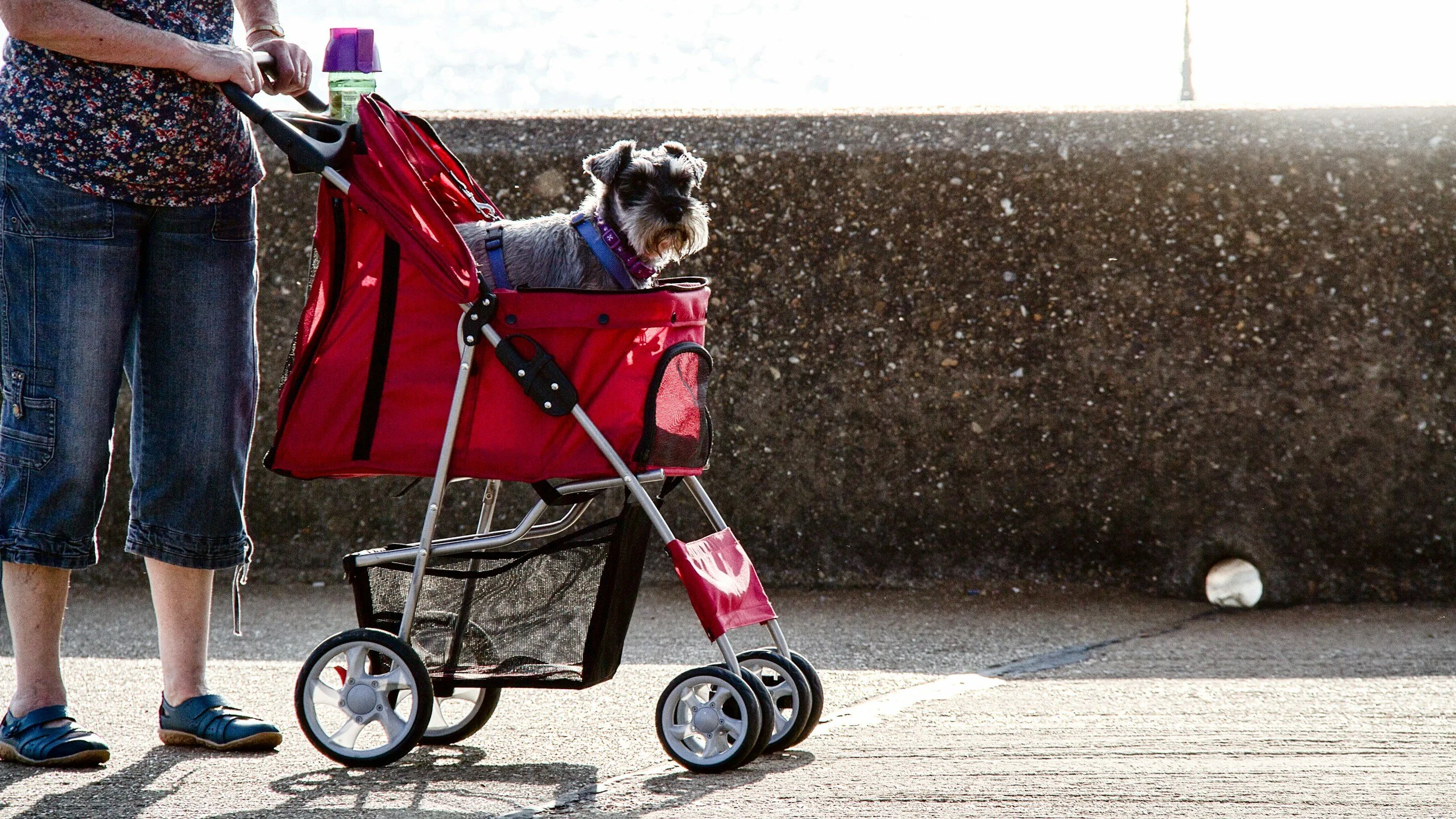
Pet Strollers
Pet strollers allow dogs and cats to enjoy fresh air and family adventures without overexertion.
Many families are surprised by how much their pets enjoy them.
Your dog can still sniff the world.
They just don't have to walk every mile.
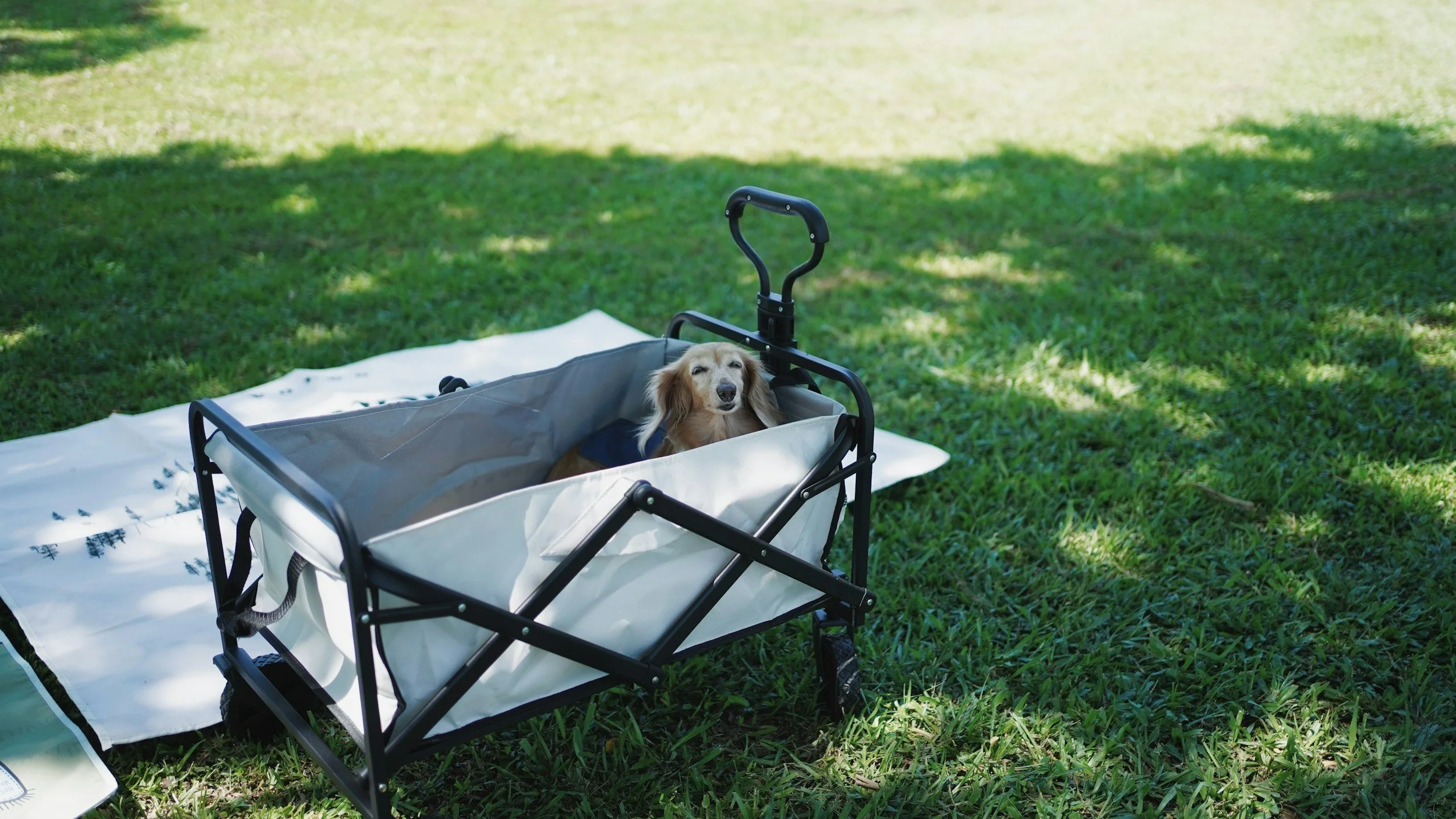
Wagons
For larger dogs, wagons can be a wonderful alternative.
They allow pets to participate in family outings while conserving energy.
Ramps
Portable ramps can help pets enter vehicles safely without painful jumping.
This is particularly important for pets with arthritis or neurologic disease.
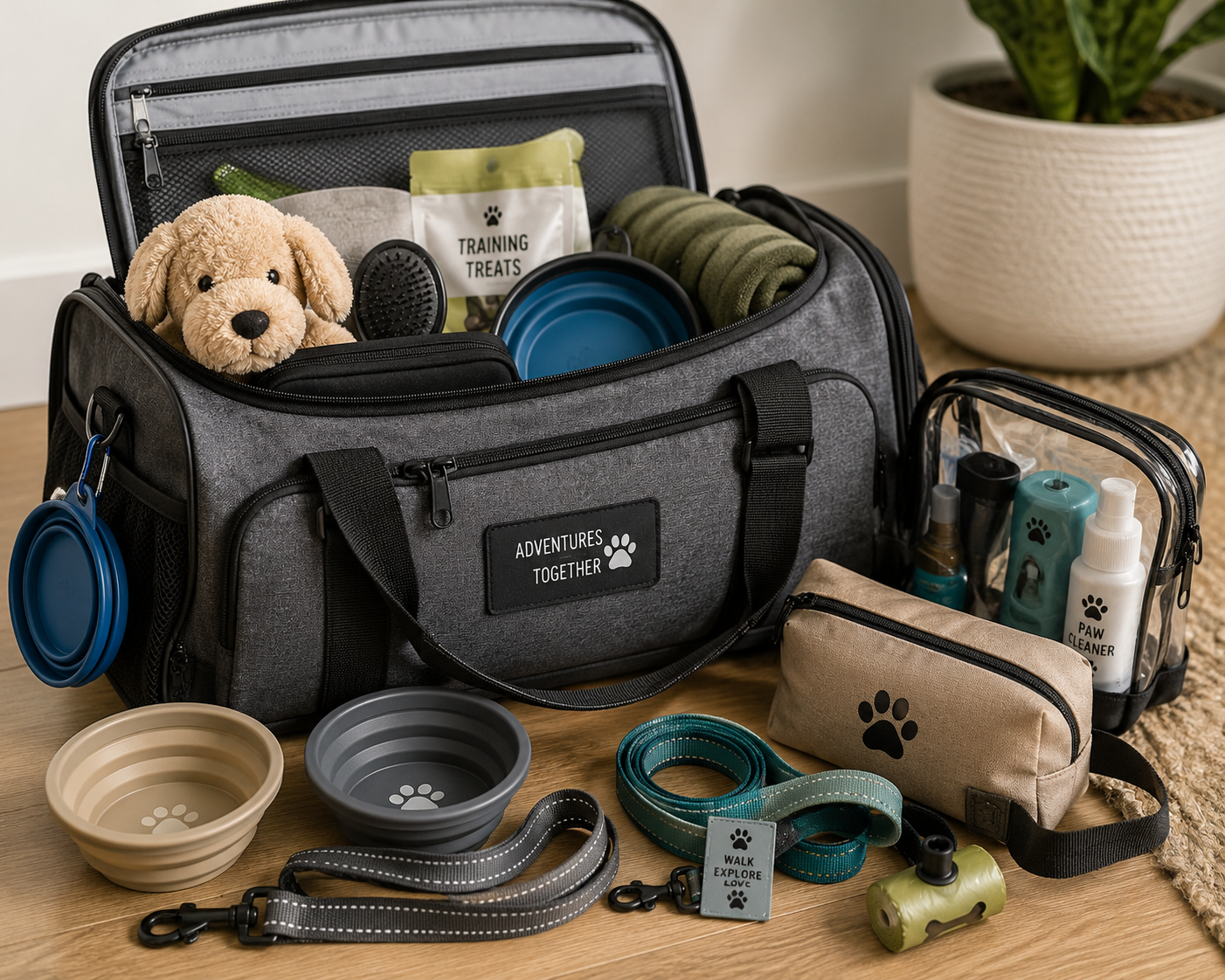
Pack a Senior Pet Travel Bag
Just as you pack essentials for yourself, create a dedicated bag for your pet.
Include:
Medications
Medical records
Extra food
Water
Leash and harness
Favorite blanket
Comfort items
Waste bags
Towels
Emergency veterinary contact information
Familiar smells and routines can reduce stress in unfamiliar places.
Watch for Signs Your Pet Needs a Break
Senior pets often tell us when they're tired.
We just have to listen.
Watch for:
Excessive panting
Lagging behind
Refusing treats
Increased sleeping
Restlessness
Changes in breathing
Difficulty standing
Reluctance to continue walking
If your pet seems tired, honor that.
Rest isn't failure.
It's good caregiving.

Making Memories Doesn't Require Big Adventures
Sometimes when we know our time with a pet may be limited, we feel pressure to create extraordinary experiences.
But some of the most meaningful summer memories are beautifully ordinary.
A slow walk at sunrise.
Sitting on the porch together.
Sharing watermelon on a warm afternoon.
A gentle ride through the neighborhood in a stroller.
The goal isn't to do more.
It's to be present.
