

How Do I Know My Pet Is in Pain?
Subtle Signs You Might Miss
One of the hardest truths about loving animals is this:
They don’t tell us when they hurt.
Dogs and cats evolved to hide pain. In the wild, showing weakness meant danger. Even our most pampered pets still carry that instinct.
That’s why many families say,
“I didn’t realize they were uncomfortable until it got really bad.”
But pain doesn’t always look dramatic.
More often, it whispers.
Learning to notice those whispers can make a world of difference in your pet’s comfort and quality of life.
Pain rarely looks like crying or limping
We tend to expect obvious signs — yelping, limping, or refusing to move.
But most pets don’t show pain that clearly.
Instead, you may see small changes that are easy to dismiss:
“They’re just getting older.”
“They’re slowing down.”
“They’re being picky.”
Sometimes that’s true.
But sometimes it’s pain.

Subtle signs of pain in dogs
Watch for:
Hesitating on stairs
Slower walks or stopping frequently
Difficulty getting up or lying down
Less interest in play
Licking one spot repeatedly
Changes in appetite
Restlessness at night
Panting without exercise
Irritability or snapping when touched
Even small behavior shifts matter.
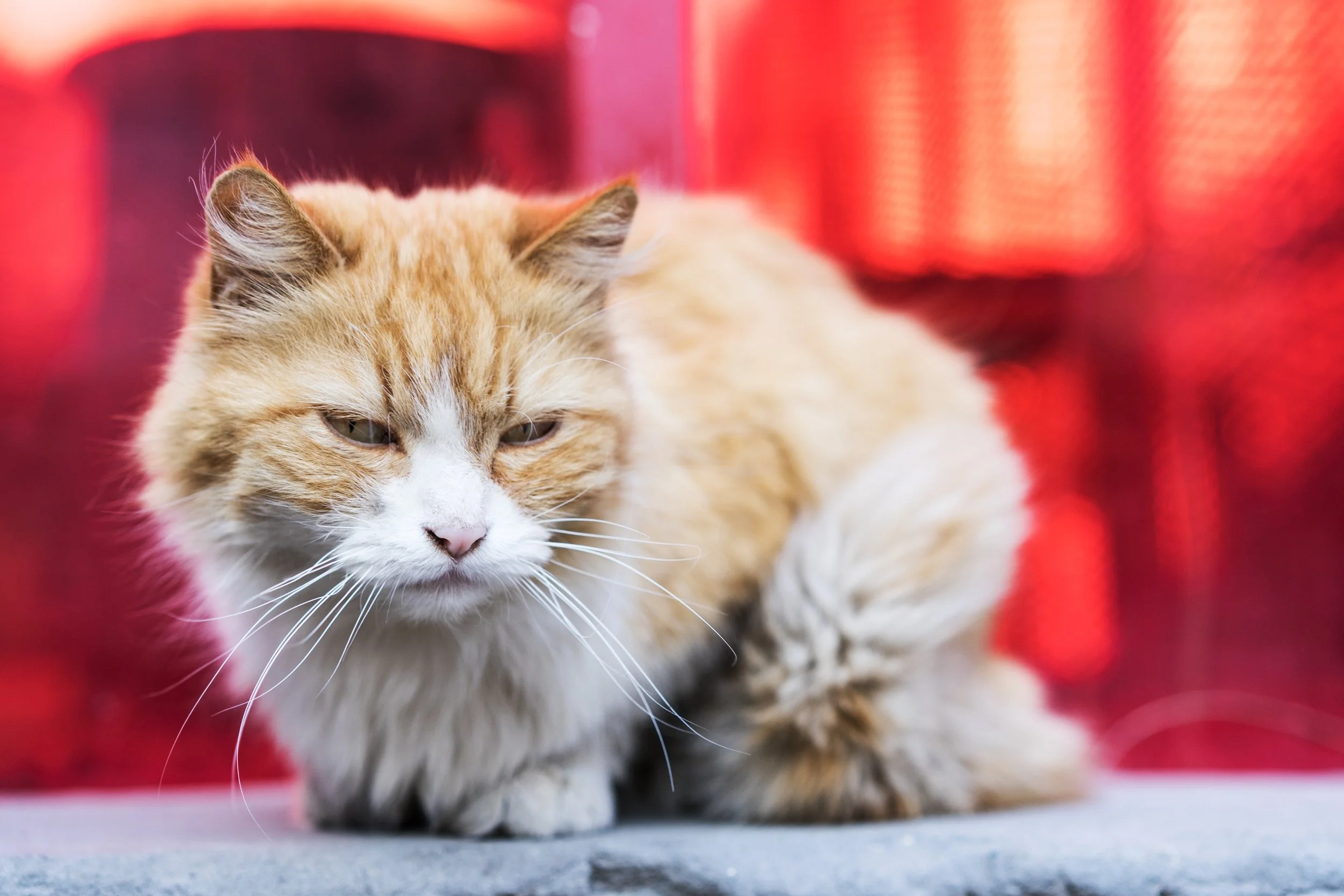
Subtle signs of pain in cats
Cats are especially quiet about discomfort.
Look for:
Hiding more often
Jumping less or missing jumps
Stiff walking
Decreased grooming or matted fur
Litter box accidents
Sleeping more
Reduced appetite
Avoiding affection
Sitting hunched or tense
Because cats naturally rest a lot, these changes can be easy to overlook.
Emotional signs count too
Pain isn’t only physical.
You might notice:
Withdrawal
Anxiety
Clinginess
Changes in personality
Confusion
Restlessness
If your pet just seems “not themselves,” trust that instinct.
You know them best.

Why early recognition matters
When pain goes untreated, pets may:
Move less
Lose muscle
Eat less
Become weaker
Experience more stress
It becomes a cycle.
But when discomfort is addressed early, pets often:
Sleep better
Move more comfortably
Engage with family again
Enjoy daily life longer
Comfort can dramatically improve quality of life — even if the illness remains.
Tracking makes patterns clearer
One of the most helpful tools is simple observation.
Try keeping a daily log:
Appetite
Mobility
Energy
Mood
Good days vs. hard days
Patterns appear quickly.
Instead of relying on memory, you have real information to guide decisions.
You don’t have to figure it out alone
Many families feel unsure:
“Am I overreacting?”
“Is this normal aging?”
“Should we be doing more?”
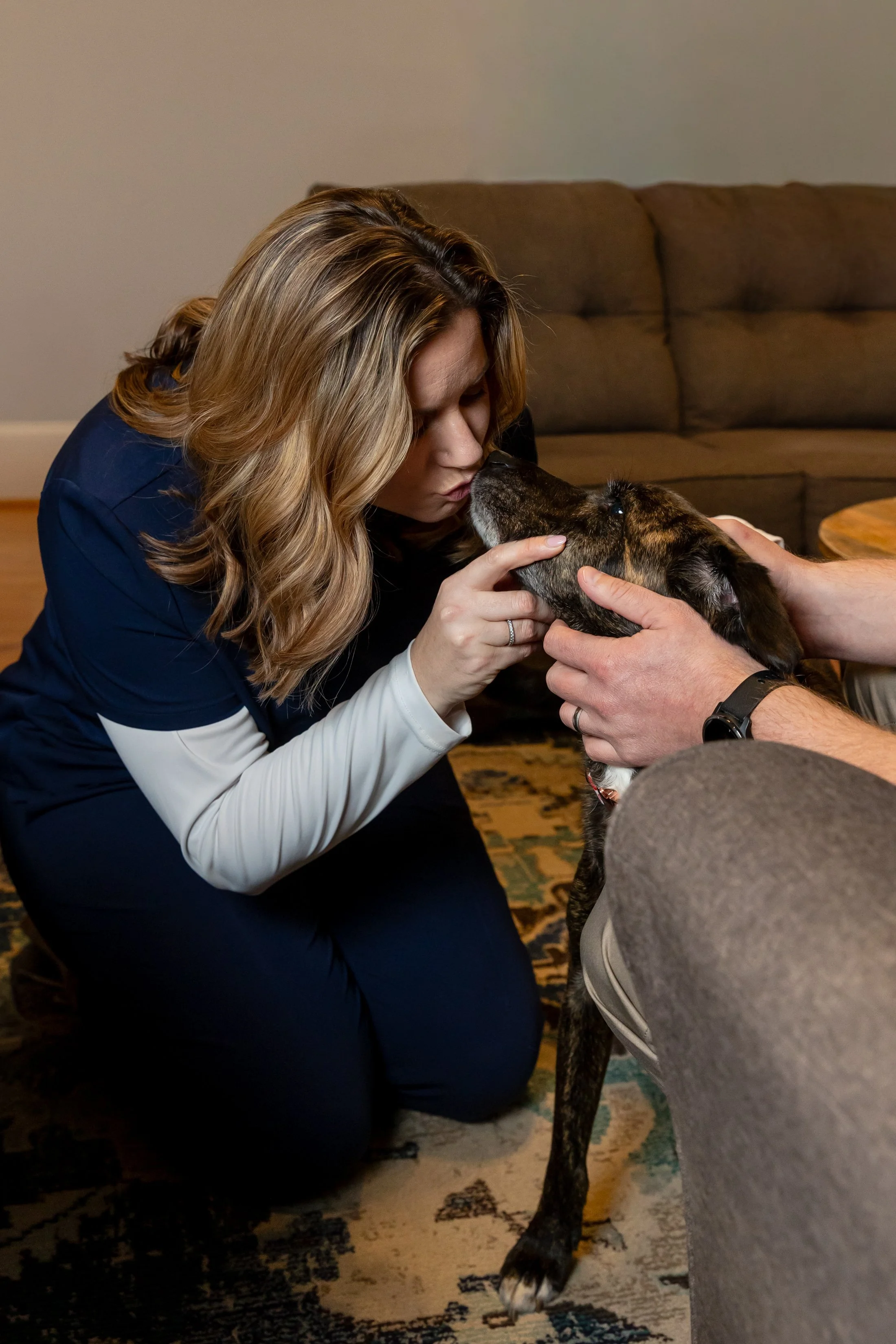
A comfort assessment can provide reassurance and guidance.
At Pet Hospice Partners, we help families evaluate subtle changes and suggest ways to improve comfort at home — always in collaboration with your veterinarian.
Sometimes small adjustments make a big difference.
Trust what you see
If something feels off, it probably is.
Pain doesn’t always shout.
But with careful attention and support, you can help your pet feel safer, calmer, and more comfortable.
And that’s one of the greatest gifts we can give them.
